
From ventilation to milking parlors, here is what a profitable modern dairy unit needs today.
1. Start with animal flow
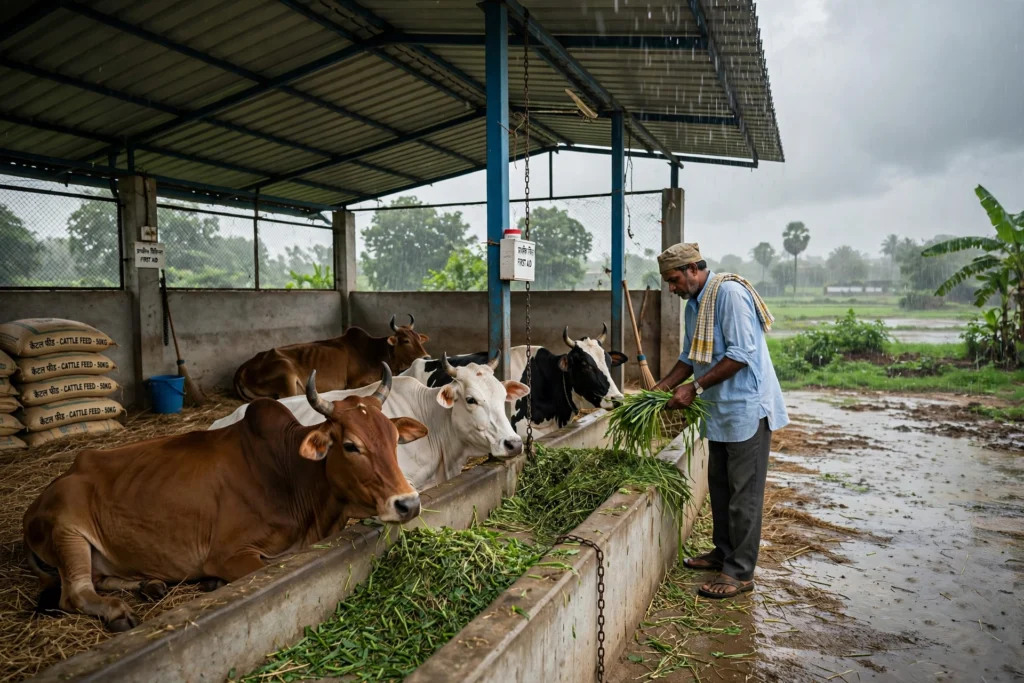
Plan the dairy unit around everyday movement: resting, feeding, watering and milking. Separate clean feed storage from manure handling. Allow staff to work without pushing animals through crowded routes. Include a place to examine an unwell animal and space for future expansion before construction begins.
2. Housing, ventilation and drainage
Housing needs fresh air, shade and a comfortable resting area. Design drainage so rainwater and wash water do not collect around bedding or feed. Calf housing should have its own ventilation arrangement, separate from adult housing. Ask a local farm designer to account for your climate and site conditions.
3. Feed and water access
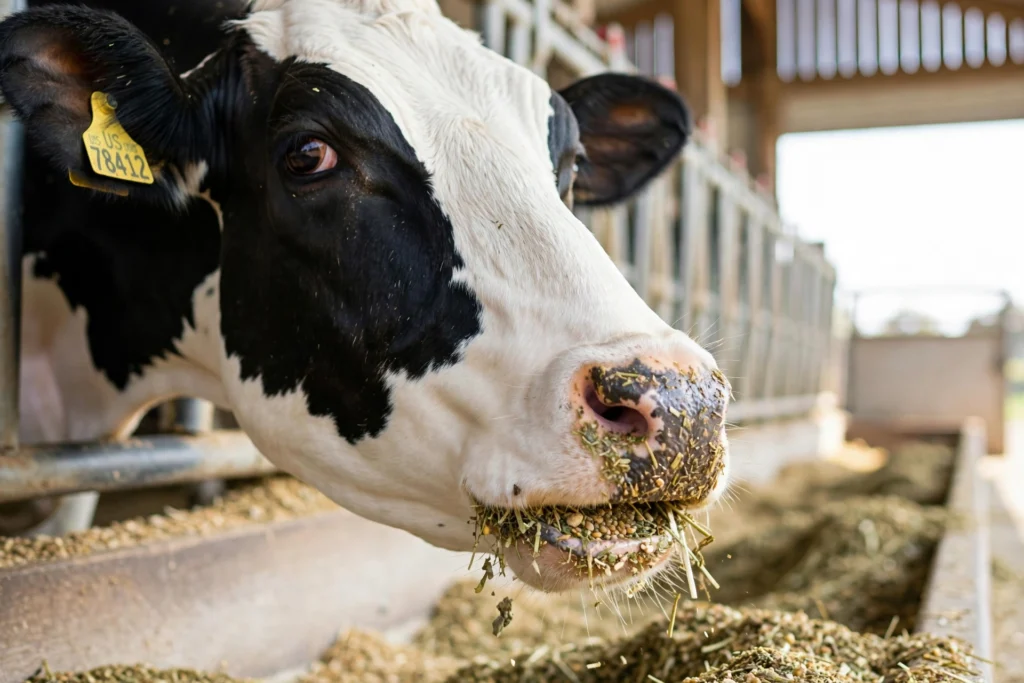
Check that each group can reach feed and clean drinking water without competition at narrow access points. Keep stored feed dry and inspect it regularly. Decide where ingredients will be weighed, mixed and delivered. A nutrition professional can help plan rations for different production groups.
4. Milking and hygiene workflow
Map out equipment cleaning, handwashing and the route for milk handling before installing a parlour. Keep surfaces easy to clean and provide a dependable water supply. Create a written routine for checking equipment, cleaning utensils and recognising abnormal milk or udder changes.
5. A practical opening checklist
Before bringing in animals, walk through the unit with your team. Check water, drainage, lighting, electrical safety, feed storage, calf accommodation and veterinary access. Budget for maintenance as well as construction. Record each unfinished item, its owner and the date it must be resolved.
Veterinary Team
The Grooming Animal Healthcare veterinary team brings 20+ years of field experience in dairy nutrition, herd health and preventive care — helping farmers raise healthier, more productive animals.